
Road Trip Emergency Planning Guide: Be Ready Before You Hit the Road
Introduction
A road trip should be making memories—not dealing with unexpected breakdowns, flat tires, or dead batteries. While no one plans for an emergency, being prepared can make all the difference when something goes wrong miles away from home.
Whether you’re traveling across the state or taking a cross-country adventure, having a road trip emergency plan helps keep you, your passengers, and your vehicle safe. In this guide, we’ll cover everything you should prepare before leaving and what to do if you find yourself stranded on the roadside.
Why Every Road Trip Needs an Emergency Plan
Vehicle problems can happen without warning. Even a well-maintained car can experience:
• Flat tires
• Dead batteries
• Engine overheating
• Running out of fuel
• Locked keys inside the vehicle
• Brake issues
• Electrical failures
planning ahead reduces stress and helps you respond quickly during an emergency instead of making decisions under pressure.
Perform a Vehicle Inspection Before You Leave
A quick inspection before your trip can prevent many roadside emergencies.
Check Your Tires
Inspect all four tires and your spare for:
• Proper air pressure
• Adequate tread depth
• Sidewall damage
• Nails or punctures
Don’t forget to verify your jack and lug wrench are in the vehicle.
Test your Battery
If your battery is over three years old, have it tested before traveling. Weak batteries often fail during hot summers or cold winters
Check Fluid levels
Inspect and top off:
• Engine oil
• Coolant
• Brake fluid
• Transmission fluid
• power steering fluid
• Windshield washer fluid
Low fluids can lead to expensive breakdowns.
Inspect Lights
Verify that all lights are working:
• Headlights
•Brake lights
• Turn signals
• Hazard lights
Visibility is essential during emergencies
Pack a Roadside Emergency Kit
A well-stocked emergency kit can help you stay safe while waiting for roadside assistance.
Include :
• Flashlight with extra batteries
• Jumper Cables
• Portable jump starter
• Tire pressure gauge
• Tire Inflator
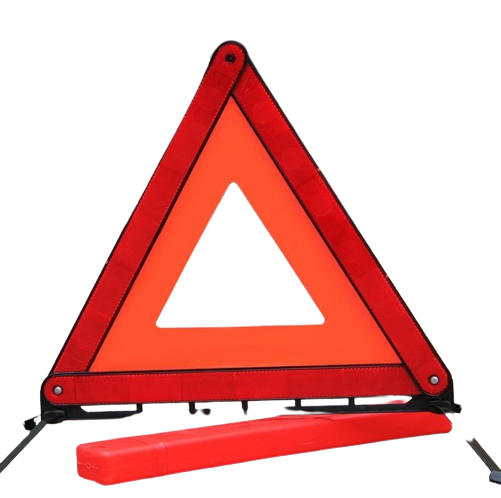
• Reflective warning triangles
• Emergency flares or LED road lights
• Basic tool kit
• First aid kit
• Work gloves
• Rain poncho
• Blanket
• Phone charger
• Portable power bank
• Drinking water
• Non-perishable snacks
• Paper towels
• Duct tape
These simple items can make a difficult situation much easier to manage.
Plan Your Route
Before leaving:
• Check traffic conditions.
• Review weather forecasts.
• Locate nearby gas stations.
• Identify rest stops.
• Save offline maps.
• Share your travel itinerary with a family member or friend.
If you’re driving through remote areas, know where the nearest towns and service stations are located.
Save Important Phone Numbers
Before your trip, save contacts for:
• Local towing companies
• Roadside assistance providers
• Auto insurance roadisde service
• Family members
• Emergency contacts
Searching for help during an emergency wastes valuable time.
Keep Your Fuel Tank Above Half Full
One of the easiest ways ro avoid getting stranded is to refill before youor fuel level gets too low.
Keeping at least half a tank is especially important when driving through rural areas where gas station may be far apart.
Know What To Do During a Breakdown
If your vehicle breaks down:
1. Stay Calm
Don’t panic. Most roadside emergencies can be handled safely.
2. Pull Over Safely
Move yoour vehicle as far off the roadway as possible.
Turn on your hazard lights immediately.
3. Stay Visible
Use reflective triangles or emergency lights to alert other drivers.
Avoid standing in traffic lanes.
4. Stay Inside When Necessary
If you’re on a busy highway, staying inside your vehicle with your seatbelt fastened is often safer than standing beside the road.
5. Call for Professional Roadside Assistance
professional roadside technician have the proper equipment to safely handle:
-Flat tire, Jump starts, Fuel delivery, Vehicle lockouts, Winch-outs, Emergency towing
Avaoid attempting repairs if you’re unsure of the problem.
Don't Ignore Warning Signs
Watch for these indicators before a complete breakdown occurs:
• Dashboard warning lights
• Strange engine noises
• Burning smells
• Steam from under the hood
• Vibrations while driving
• Difficulty steering
• Brake problems
Stopping early may prevent more expensive damage.
Traveling with Children or Pets
If you’re traveling with family.
Bring:
• Extra water
• Snacks
• Medications
• Baby supplies
• Pet food
• Leashes
•Blankets
Keeping everyone comfortable makes waiting for assistance much less stressful.
Weather Can Change Everything
Road trips often involve changing climates.
Pack accordingly:
Summer
• Extra Drinking water
• Sunglasses
• Sunscreen
• Coolinh towels
Winter
• Ice scarper
• Snow brush
•Gloves
• Warm clothing
• Blankets
• Small shovel
• Cat litter or traction mats
Driving conditions can change quickly, especially in mountainous areas.
When Should You Call a Tow Truck?
Call a professional towing company if:
• Your vehicle won’t start.
• Your engine overheats.
• you’ve been involved in an accident.
• Your transmission fails.
• You have severe tire damage.
• Your vehicle is unsafe to drive.
• Your battery cannot be restarted.
Driving a damaged vehicle can create additional mechanical problems and safety hazards.
Final Thoughts
A successful road trip starts long before you turn the key. Taking a few minutes to inspect your vehicle, pack emergency supplies, and plan your route can help you avoid many common roadside problems.
Even with the best preparation, emergencies can still happen. When they do, knowing what steps to take and having access to a trusted towing and roadside assistance provider can get you back on the road quickly and safely.
Before your next adventure, prepare for the unexpected so you can enjoy the journey with confidence.
Frequently Asked Questions
Every Emergency kit should contain jumper cables, a flashlight, a first aid kit, reflective warning devices, basic tools, water, snacks, a portable, phone charger, and tire repair essentials.
Yes. Roadside assistance provides professional help for common emergencies like flat tires, dead batteries, lockouts, fuel delivery, and towing, giving travelers peace of mind.
Inspect your vehicle before every long trip, especially if you’ll be driving several hundred miles or through remote areas.
Flat tires, dead batteries, and vehicle lockouts are among the most common roadside assistance calls.
If you’re stopped on a busy highway and can safely remain inside your vehicle, it is generally safer to stay buckled in while waiting for professional assistance.
WE ALSO PROVIDE OUR SERVICES NEARBY CITIES IN LAWTON, OK
- Cache, OK
- Elgin, OK
- Duncan, OK
- Fort Sill, OK
- Faxon, OK
- Medicine Park, OK
- Chattanooga, OK
- Geronimo, OK
- Apache, OK
- Sterling, OK
- Indiahoma, OK
- Walters, OK
Fast, reliable roadside & towing service across Lawton and the surrounding communities.
TOWING APPOINTMENT
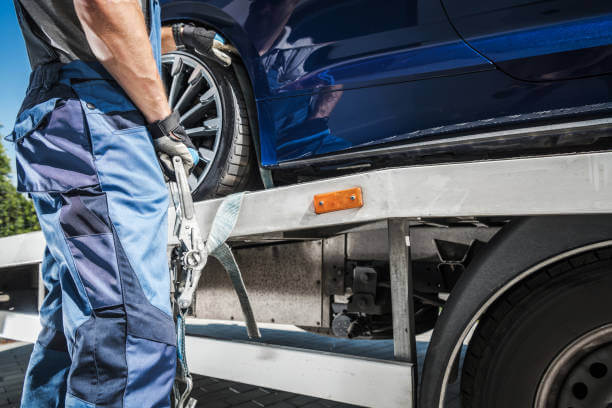
For those who don’t have enough time to get their cars towed out of their yard or off the road, we offer towing appointments. Just give us a call, and we’ll be happy to arrange a time and date that works best for you.

CONTACT US
Lawton, OK 73501
We'll be happy to help with anything from getting your car towed, or having someone come out and retrieve it.
(580) 982-5378
We work around the clock so don't hesitate to call anytime! You can also get free estimates by contacting us right now!